Sleep is a crucial factor for performance in any activity (whether physical or mental), and poker is no exception. Getting enough sleep “before” a game has a direct impact on cognitive and emotional capacity, which in turn influences the decisions that can be made at the gaming table. Below we will explain why it is important to sleep more than 7 or 8 hours “before” a poker game.
The impact of sleep on cognitive function
Getting a good night’s sleep is essential for optimal brain function. During sleep, the brain processes and consolidates information learned during the day, which improves memory and learning ability. For poker players, this means remembering strategies, playing patterns, and opponents’ moves more easily.
Sleep deprivation, on the other hand, negatively affects cognitive function, as studies have shown that sleep deprivation decreases attention, concentration, and decision-making ability, which is key in situations like poker, where every move can have a significant impact on the final outcome.
Greater concentration and attention
A rested brain can focus on the tasks at hand. During a poker game, one must pay attention to multiple details such as the community cards, opponents’ bets, and one’s own cards. Adequate sleep improves the ability to maintain concentration during long gaming sessions.
On the other hand, sleep is essential for consolidating memory and facilitating learning. When sleeping, the brain processes the information acquired throughout the day and stores it more effectively. This allows for better decisions to be made during the game, since these decisions are based on previous experience and knowledge.
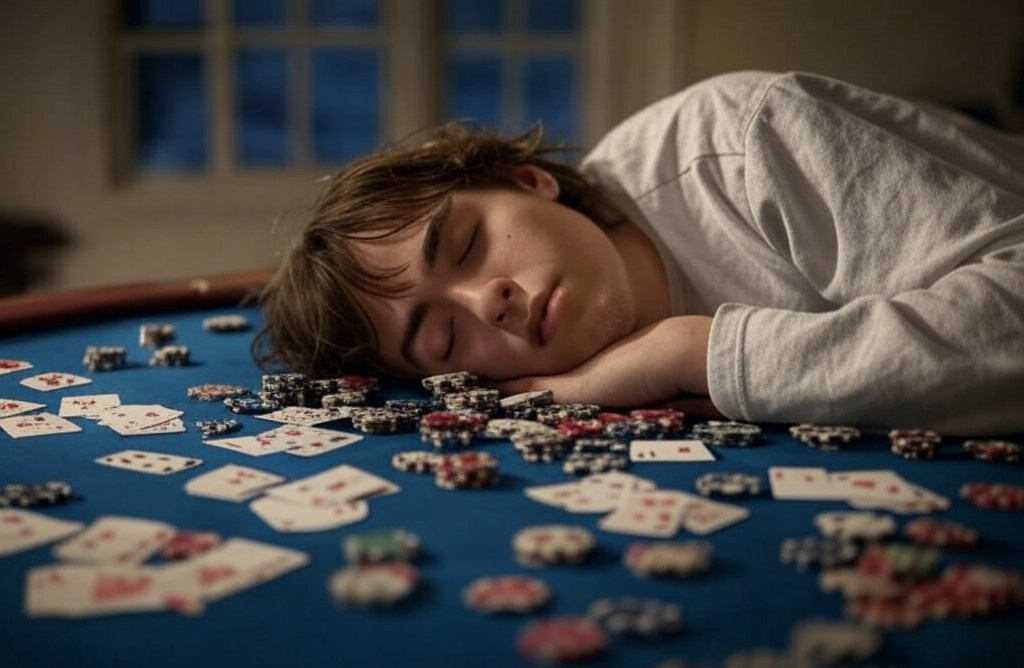
Reducing stress and anxiety
Poker can be a stressful experience, especially during major tournaments or high-stakes games, so stress and anxiety can negatively affect performance in the game. Adequate sleep is essential for stress management and emotion regulation. Restful sleep helps reduce levels of the stress hormone cortisol, allowing you to stay calm and make more rational decisions during the game.
When you sleep, your body and mind recover from the stress accumulated during the day. Quality sleep allows poker players to “face the pressure” of the tables with a clear and calm mind. Sleep deprivation, on the other hand, can increase emotional reactivity and decrease the ability to handle stressful situations. Fatigued players may experience elevated levels of anxiety and frustration, which can negatively affect their performance in the game.
The importance of decision making
Poker is a game of constant decision-making. In each round, players must evaluate their cards, read their opponents, and decide whether to continue in the hand, fold, or raise the bet. These decisions must be made quickly and under pressure. A player who has not had enough sleep may have some difficulty analyzing the situation and making informed decisions.
Lack of sleep too can lead to an increase in impulsive behavior. Fatigued players may be more likely to make risky decisions without considering all the variables, which can result in significant losses, especially in high-stakes poker tournaments.
Creativity
As we saw in our previous article, sleep fosters creativity, which can be useful for finding new strategies and solutions to complex problems, and sleep influences the speed of information processing, allowing you to react faster to changes and setbacks at the gaming table.
Physical and mental endurance
Poker games, especially in tournaments, can last for several hours or even days. Physical and mental endurance are crucial to maintaining consistent performance over time. Getting a good night’s sleep before a poker game helps ensure that players have the energy and stamina to handle long sessions of competitive play.
Lack of sleep can also result in decreased physical or mental stamina, leading to increased fatigue and exhaustion. Additionally, mental fatigue can affect your ability to concentrate and make decisions as the game progresses. On the other hand, rested players have a major advantage in terms of stamina, as they can maintain a high level of performance for longer.
For all of the above reasons, getting 7-8 hours of sleep “before” a poker game is essential to ensure optimal performance at the gaming table. By adopting healthy sleeping habits and prioritizing rest, poker players will be able to be more productive and maximize their chances of success at the gaming table.
What do you think about this topic? Do you want to learn more about sleep hygiene in poker?
If you want to find the best room to play poker online, you can contact us by visiting the following link.